
The Art of Surface Protection
Surface mulching transforms both the function and aesthetics of your container garden. Like a textile catalog, each material offers unique textures, colors, and moisture-retention properties. The right surface layer creates a barrier against evaporation while complementing your garden's visual design.
These protective layers work by creating a physical barrier between the soil and the air, reducing direct exposure to wind and sunlight. This simple addition can reduce watering frequency significantly while adding visual interest to your containers.
Mulch Materials
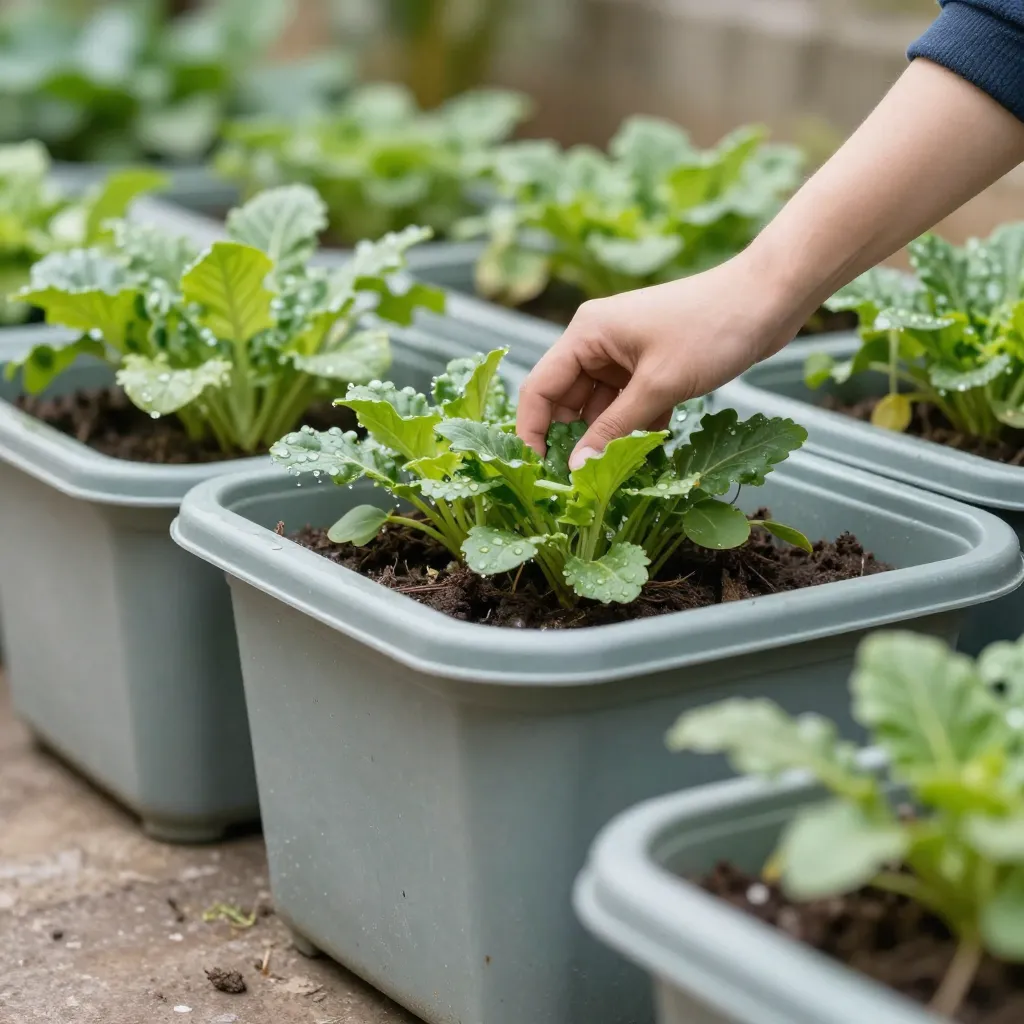
Finnish River Pebbles
Smooth, rounded stones collected from riverbeds create a clean, modern aesthetic. These pebbles reflect sunlight, keeping soil cooler while allowing water to penetrate through gaps. Their weight helps anchor the mulch layer during windy conditions.
Thickness: 2-3cm | Coverage: 80% surface area
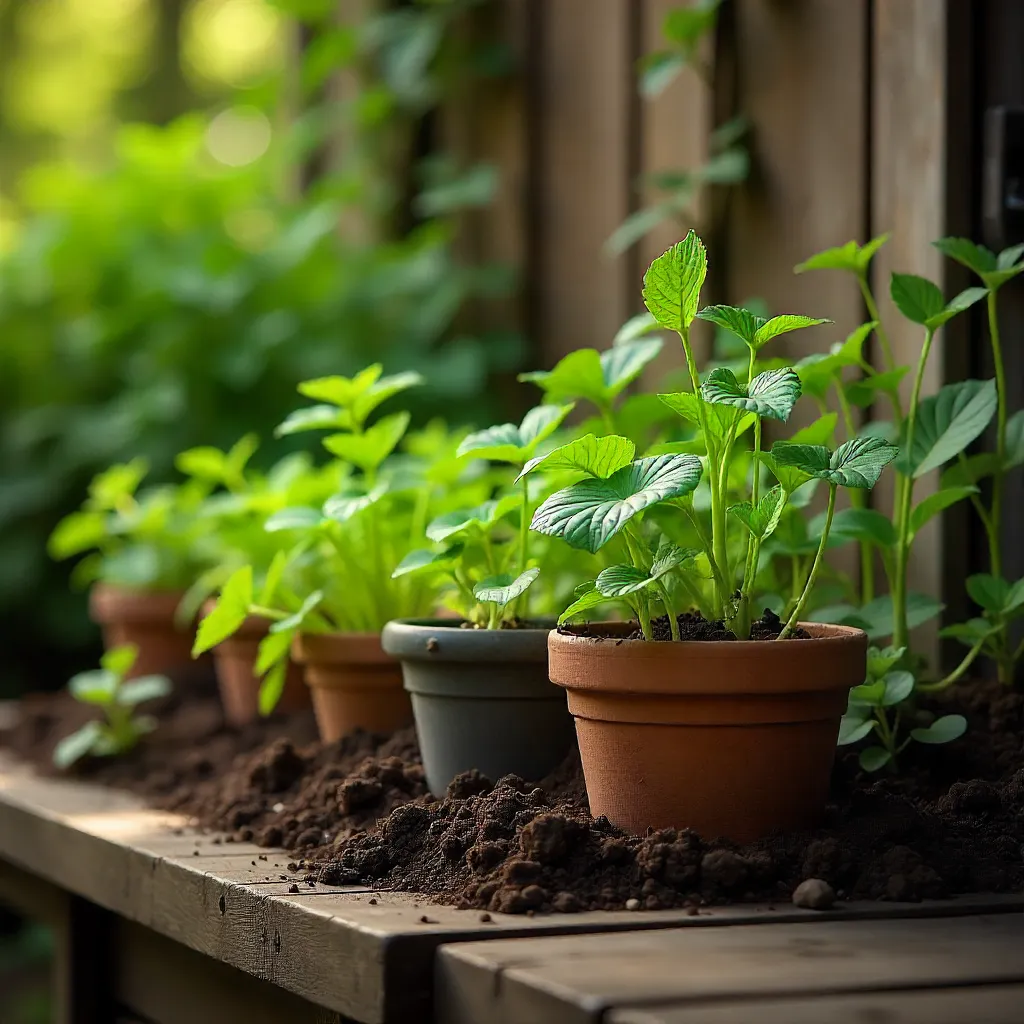
Pine Bark
Organic pine bark chips create a natural, forest-like appearance while slowly decomposing to enrich the soil. The irregular shapes create air pockets that insulate the soil surface, reducing temperature fluctuations and evaporation.
Thickness: 3-5cm | Coverage: 90% surface area
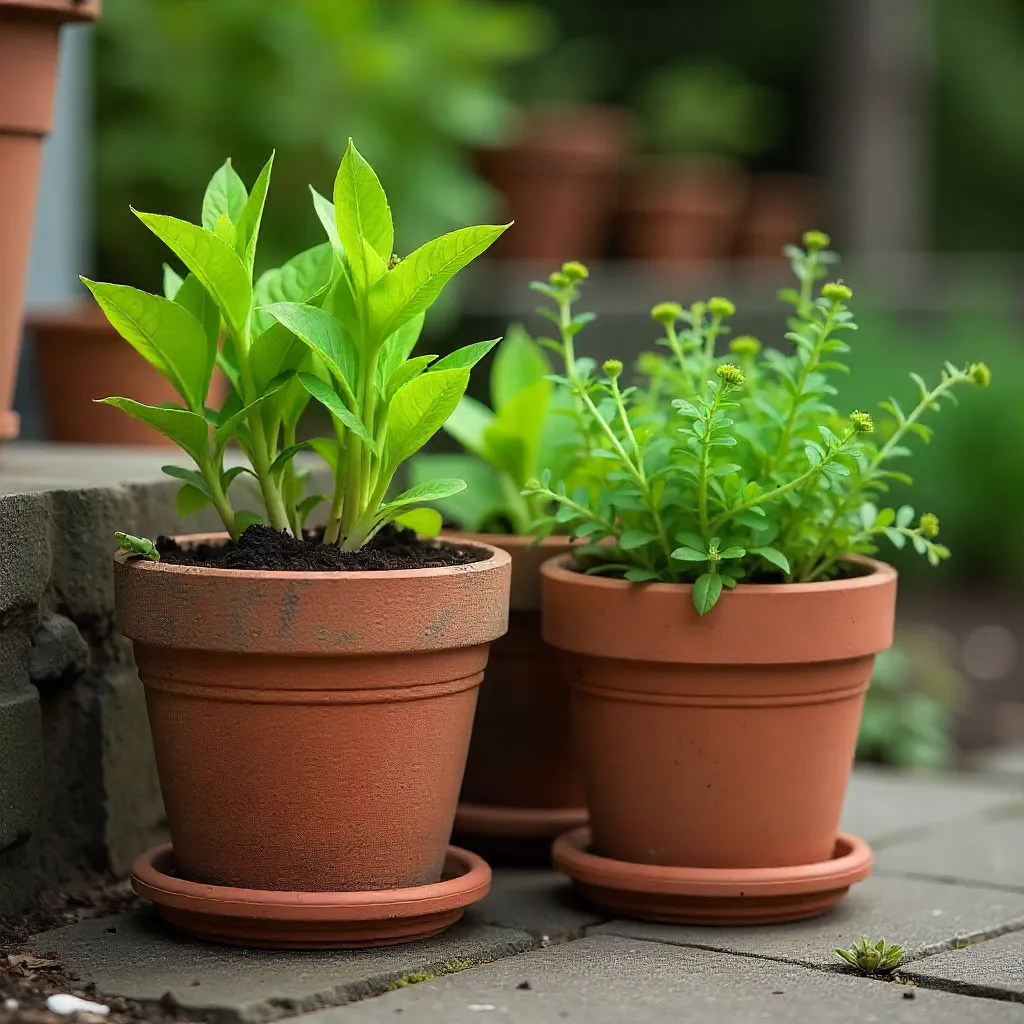
Living Moss Carpets
A living layer of moss creates a vibrant, green carpet that actively retains moisture. Moss absorbs water like a sponge and releases it slowly, creating a self-regulating moisture system. This option requires consistent humidity but offers unparalleled aesthetic appeal.
Thickness: 1-2cm | Coverage: 100% surface area
Application Techniques
Proper application ensures your mulch layer functions effectively while maintaining visual appeal. Start with clean, dry soil surface, then apply your chosen material evenly across the container top. Leave a small gap around plant stems to prevent moisture-related issues.
Depth Guidelines
Inorganic materials like pebbles require 2-3cm depth for effective coverage. Organic materials like bark need 3-5cm to account for settling and decomposition. Living moss requires only 1-2cm as it grows and expands.
Maintenance
Inorganic mulches require occasional rinsing to remove dust and debris. Organic mulches need replenishing as they decompose. Living moss requires misting in dry conditions and occasional trimming to maintain shape.
Combining Materials
For larger containers, consider combining materials to create visual interest and functional zones. Use pebbles around the perimeter for stability, bark in the center for moisture retention, and moss near plant bases for maximum water conservation.
This layered approach maximizes the benefits of each material while creating a unique, personalized aesthetic that reflects your gardening style.